Curling being played in Bruegel’s ‘Hunters in the Snow’ and on Lake of Mentieth beside Flanders Moss. A ‘bonspiel’ (the word is Flemish) happens rarely and only when the ice freezes enough to support a large number of curlers to play in a tournament.


The Grand Match of the Royal Caledonian Curling Club, 1979, which took place on the frozen Lake on Menteith


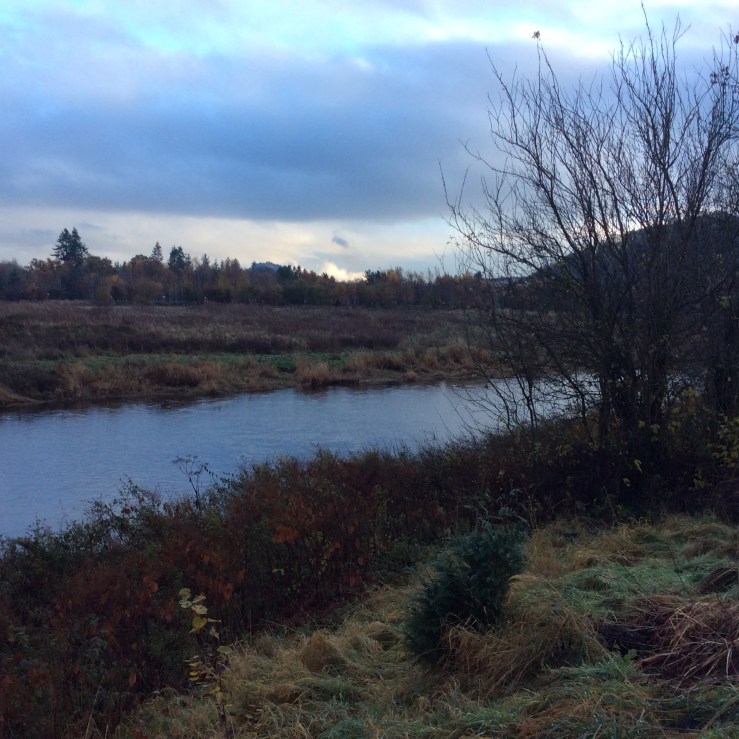
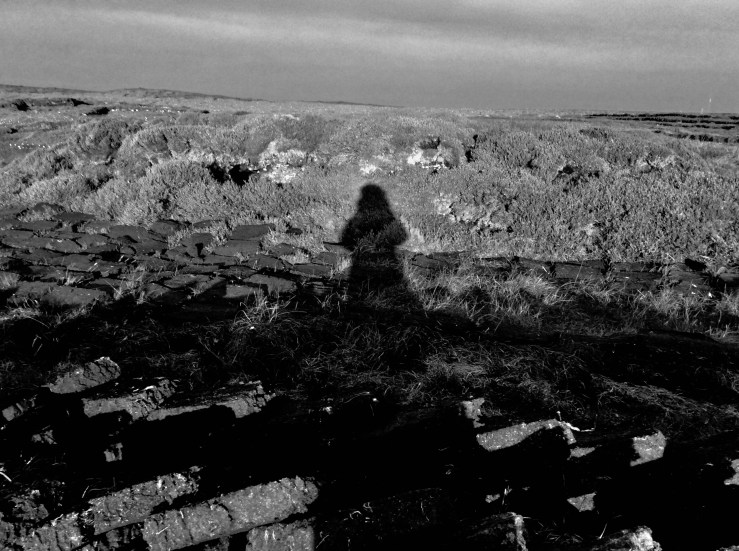 Mac an t-Sronaich was a mysterious bogey-man who was outlawed on the wild Lewis moors. Little is known about him. Some say he was a serial killer called Alexander Stronach from the mainland who took refuge on the island in the early 19th C. For years he supposedly preyed on people, sheep and cattle murdering and killing, becoming a figure of fear to many yet no police or court records exist to confirm any of these stories. Real or imagined the threat of Mac An t-Sronaich has haunted many a child and adult since. Countless tales about him have been passed down through the generations. There is hardly a cave or ruined sheiling on the moors from Uig to Ness and Tolsta which is not said to have housed him. One such cave where he was supposed to have hidden can even today inspire fear- I just about jumped out of my skin when the bulging devil-eyes of a black faced sheep suddenly appeared out of its darkness. It is said that he was eventually captured and taken to Inverness for trial. After the passing of the death sentence he was asked if he had any regrets to which he replied: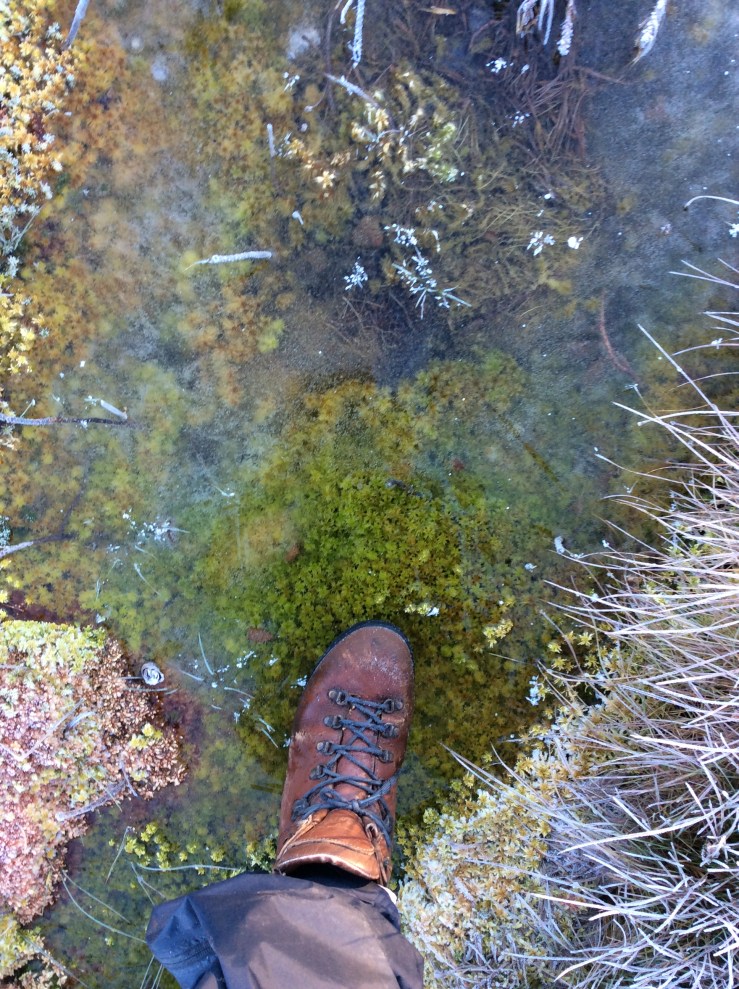

 Robin A Crawford