…there are masses of mosses in the forest.
There’s a forest of mosses out on the bog
There’s a forest of mosses out on the bog.


“the muckle forester” swings his axe
When trees growing in or near bogs get too big for their roots to anchor them in the peat the wind- “the muckle forester”- fells them with his blows. This one in the lagg fen of Bankhead Moss has finally been axed.
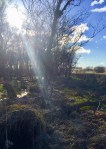


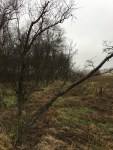
Moss, mossier, mossiest
Moss, mossier, mossiest.


preserving memories
The peat bog at Bankhead Moss preserves traces of the past from pollens to footprints…a bit like memory chips in printers fly tipped at nature reserve car parks. @FifeCouncil @ScotWildlife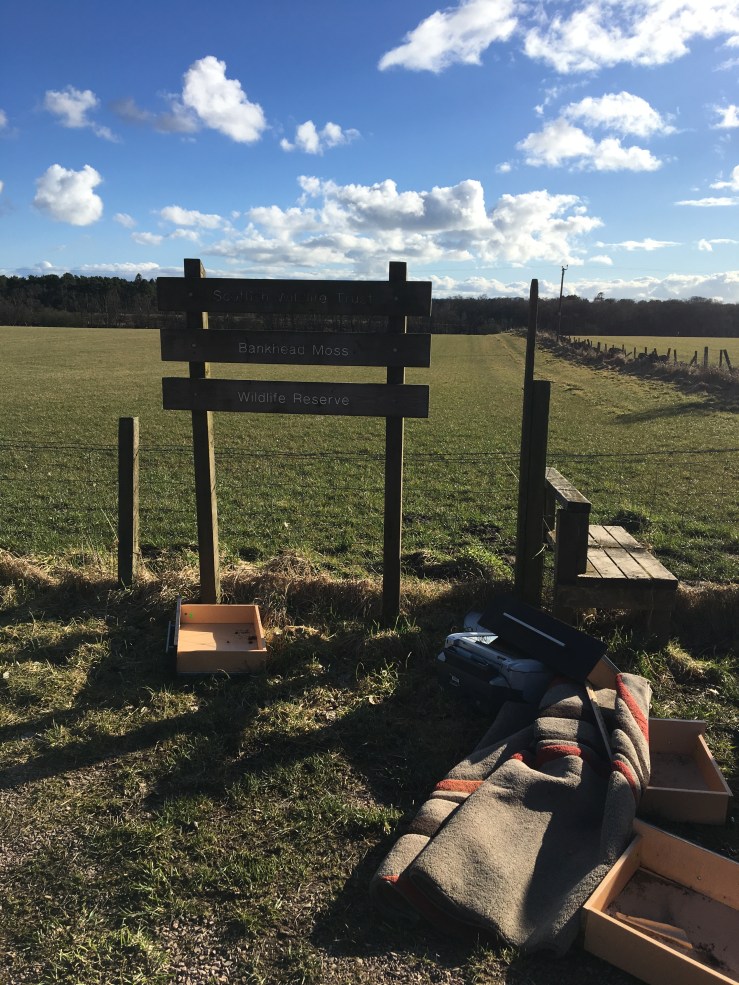
Pale moss evening
Pale moss evening.
Spring blooms on the moor
Spring blooms on the moor.


Iona’s mother was from Mull. Rather than building a stack outside they stored their peat in a shed. The shed was once her grandmother’s house. A wall of cut slabs was built across one end then creels of peat emptied behind it, like this.
Iona’s mother was from Mull. Rather than building a stack outside they stored their peat in a shed. The shed was once her grandmother’s house. A wall of cut slabs was built across one end then creels of peat emptied behind it, like this.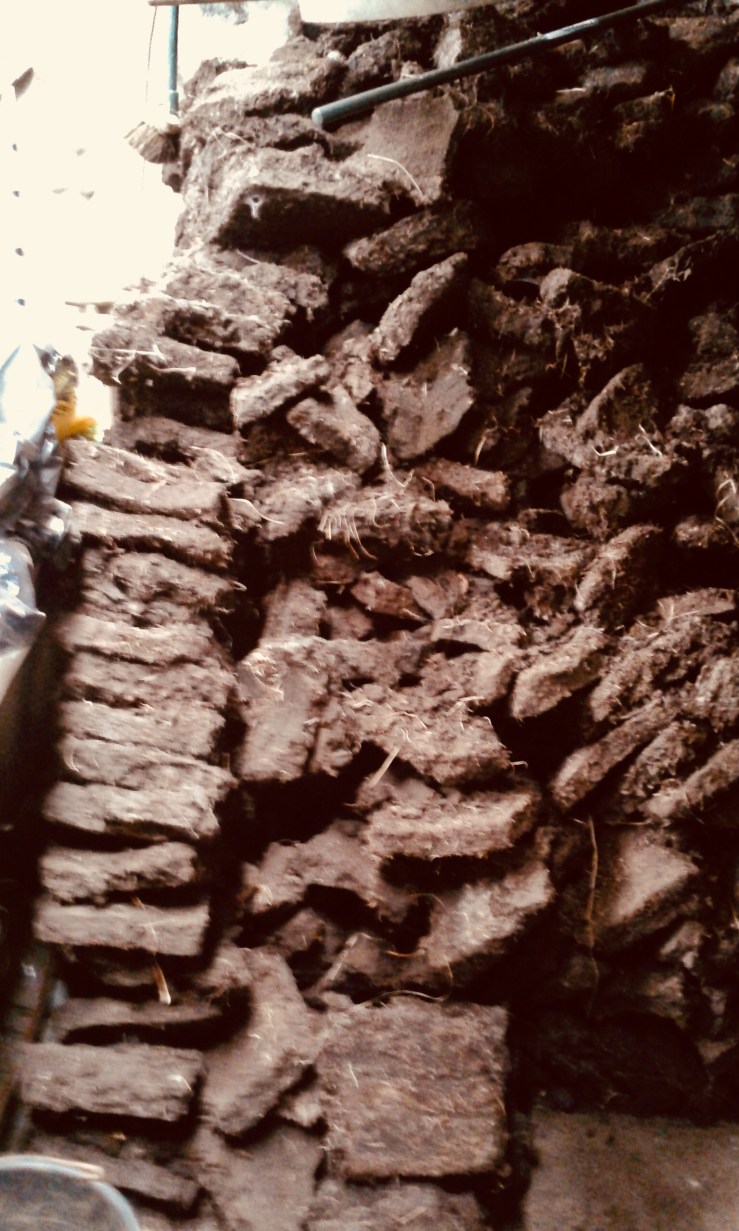
Equinox, Flanders Moss
Equinox, Flanders Moss.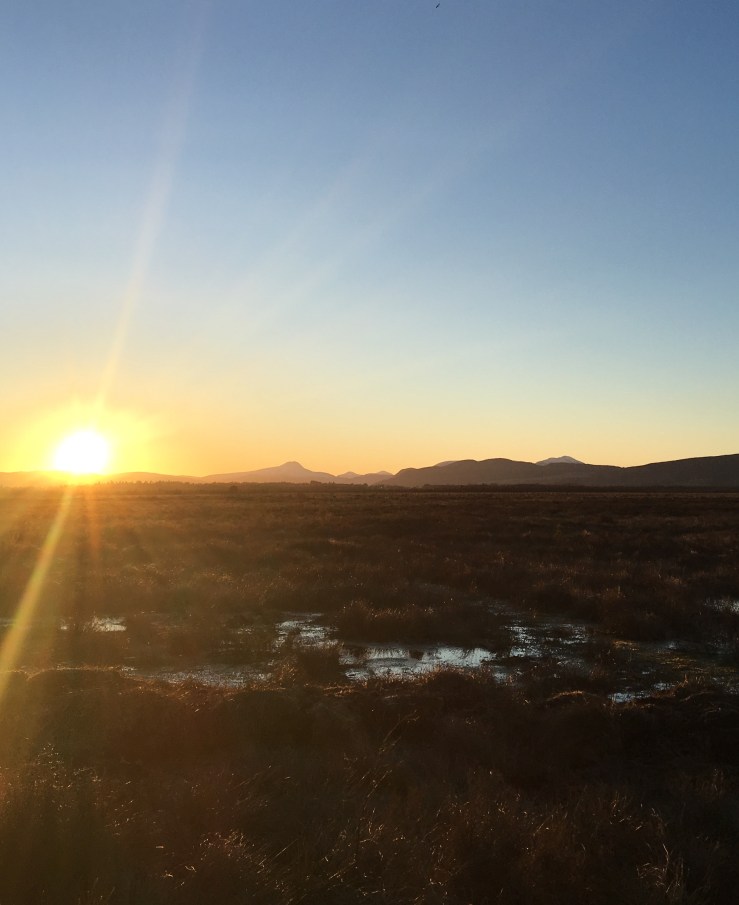
…Isle of Lewis bus shelter.
…Isle of Lewis bus shelter.


