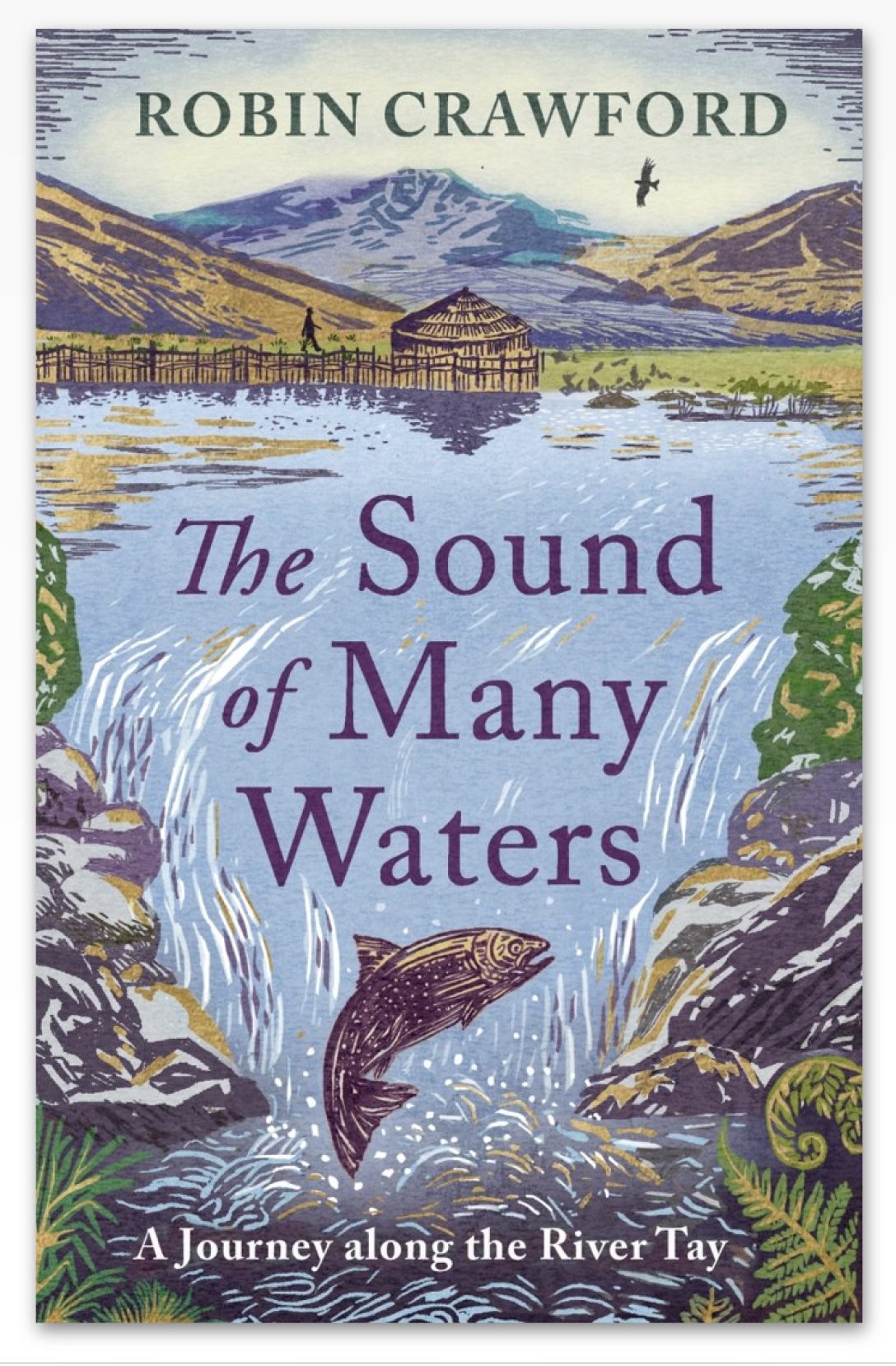
With the widest catchment area of any river in these islands, the Tay drains much of the lower Highlands of Scotland. From its source high on Ben Lui in the west to its Firth on the east coast it is fed by a vast network of lochs and smaller bodies of water, by the rivers Garry and Tummel, Isla, Almond and Earn which in turn empty into this mighty river as it cuts its way through the Scottish landscape. It is a Highland river that begins burbling up in isolated glens that then plunges down waterfalls- roaring- and cataracts into the Lowlands, that ends in city suburbs wave washed by the sea.
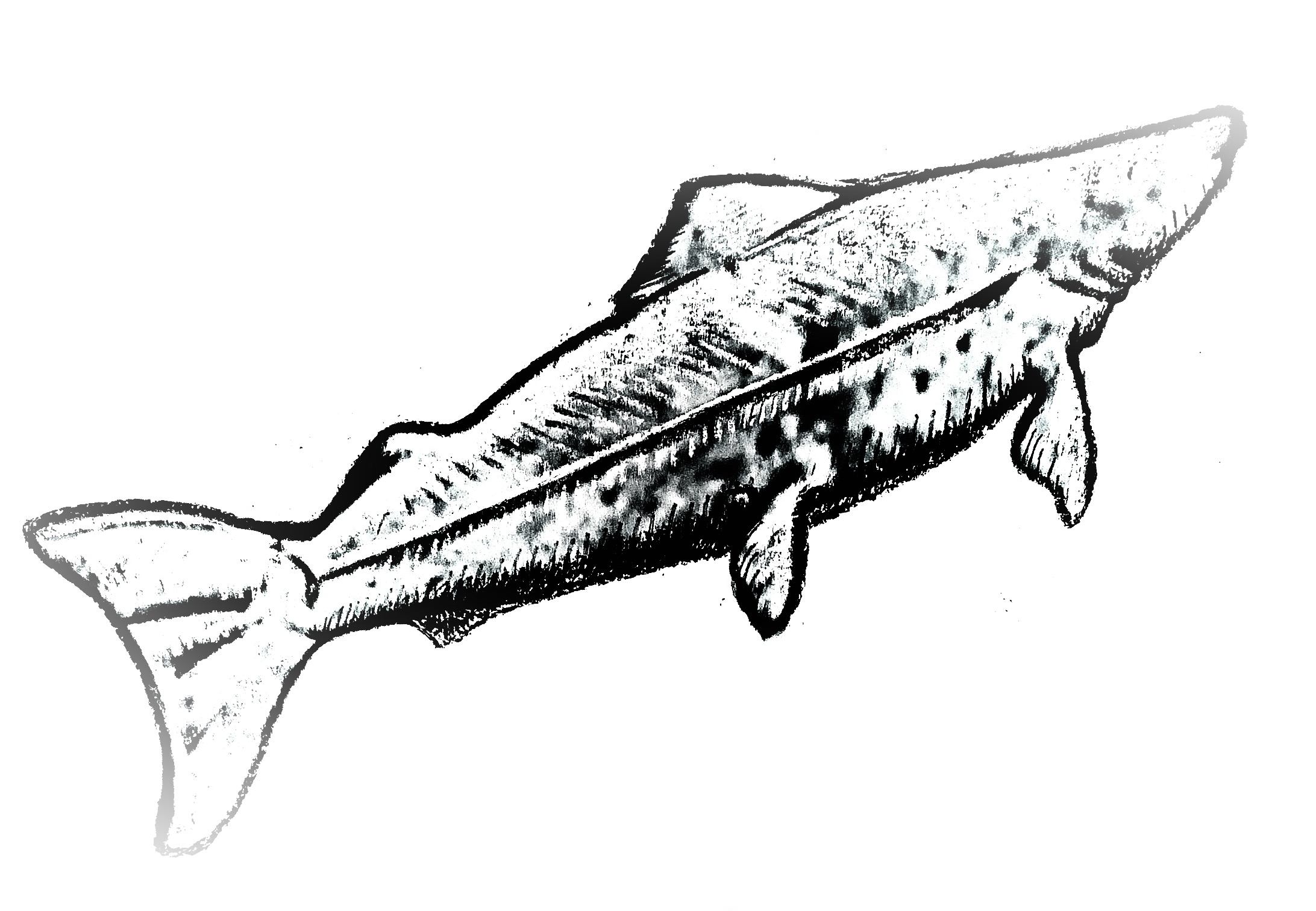
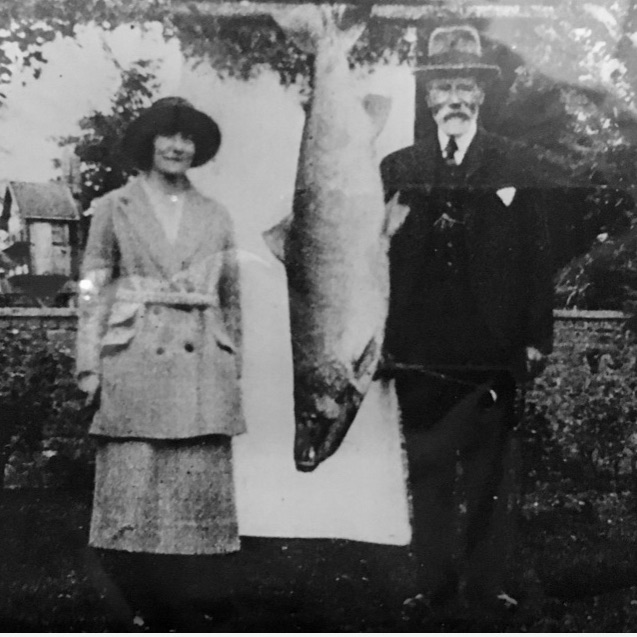
As I walk, swim and sail along its course I discover fossilised fish petrified in its swirling geology. Salmon too leap from its history, swimming up waterfalls, climbing fish ladders; some are hooked in its pools, others netted in the brackish waters of its Firth; they are etched on the enigmatic Pictish stones on its banks, and today appear to be in catastrophic decline.
Other tragedies line the riverbank- at Glamis, Birnam Wood, Dunsinane, MacDuff’s Cross, Witches Knowe… and disasters bridge its history.
The river is a source of riches- freshwater pearls, nuggets of gold, is itself- famously- silverly, its people priceless. Along its course the sounds of liquids flowing echo – the juice of succulent berries dribble down chins, cries of ‘slainté!’ as drams of Tayside whisky descend drouthy thrapples; the sounds of washboards scrubbing linen white in its pure waters; of waters breaking and babies crying, of tears falling at gravesides from the bronze age tomb at Forteviot to Dundee crematorium today.
That’s a place I’ve been to too often for the Tay is a riverscape that is intimately woven into the history of my family and myself. In this book I find parallels between my own experience and the broader history of the Tay.
It is a river that is unique yet contains within itself all rivers. I follow those who flow along it and out into the wider world and those who, like the salmon, the ospreys in Spring and skeins of cackling geese each autumn, return.
Order your copy of ‘The Sound of Many Waters’ here:
 Robin A Crawford