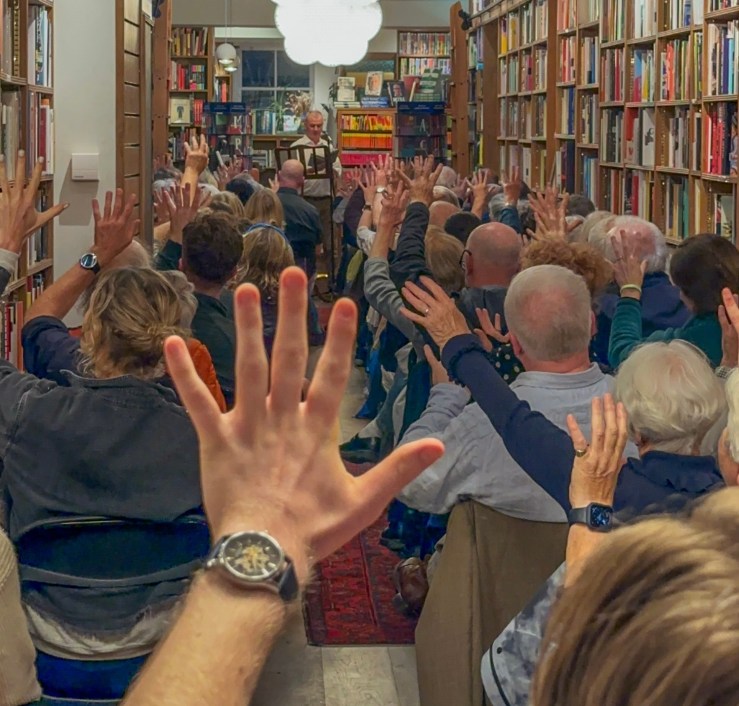
“Hold up your left hand, palm facing away, and spread your fingers: if the Tay is the index finger, then imagine your thumb as the Isla, flowing in from the east, your middle finger the rivers Garry and Tummel from the north, and from the west the ring finger represents the Braan and the Almond, your pinkie the Earn.”
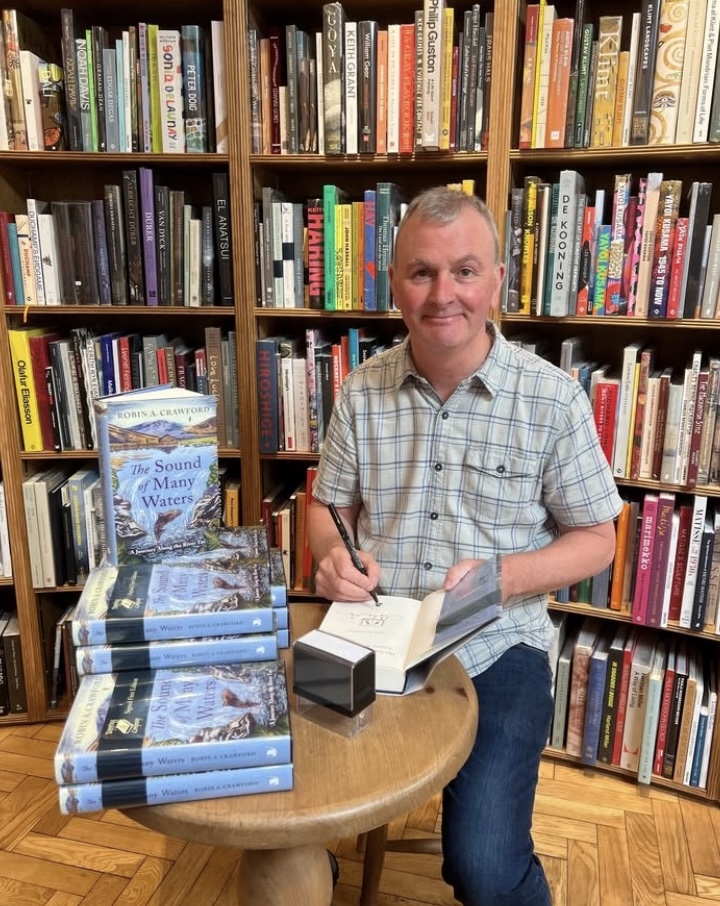
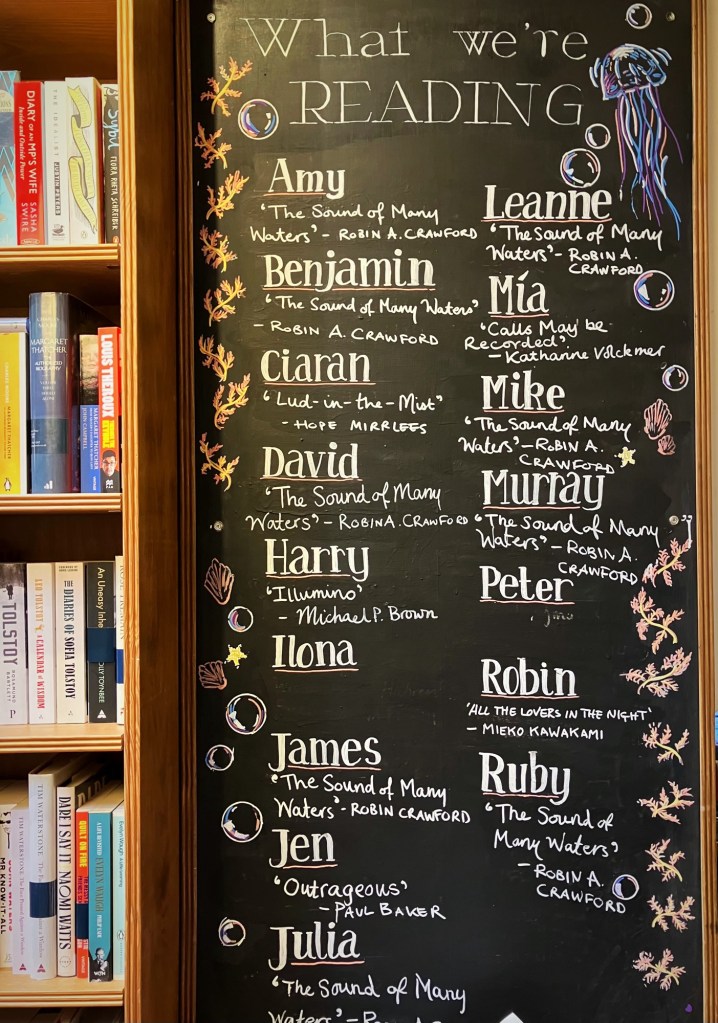
at Topping & Co. StAndrews, Fife, Scotland on Thursday 28th August, 2025
Travel through time and space along Scotland’s longest river
Robin A Crawford’s account of walking the Tay from source to sea is like having a local show you around their home river.
In 2019, the historian and long-distance kayaker David Gange wrote a book called The Frayed Atlantic Edge, which encouraged readers to think about both the history and geography of the British Isles in a completely new way. In it, Gange tells the story of an epic kayak journey he made from Muckle Flugga at the extreme northern tip of Shetland, all the way to Seven Stones Reef in the far southwest of Cornwall, and he uses this voyage and some of the places he visits as a framework to underpin his central argument: that far from being peripheral, the Atlantic coast of these islands is in many ways the key to under – standing them.
Over the last couple of hundred years, Gange believes, we have become conditioned to think of history as something that tends to happen in major urban centres; however, as he puts it: “in the larger scheme of things, it has been just the blink of an eye since the Atlantic edge was these islands’ centre.”
I’ve always loved books like this – books that make you question or revise the map of the world you carry around in your head. Paul Richardson does something similar in his excellent Myths of Geography, published last year, particularly in the first chapter, in which he completely deconstructs the logic of continents. If we ask “even the most basic questions” about the way in which the continents as we know them are drawn, Richardson writes, “they soon start to fall apart.” And sure enough, under his laser-like analysis, they do.
In a similar vein, Rebecca Solnit’s 2010 book Infinite City: A San Francisco Atlas demonstrates all the myriad ways in which a single city can be mapped. The book contains some 22 artist-drawn maps of San Francisco, each illustrating a different aspect of the city and each one accompanied by an essay by Solnit on that theme. So, in a map titled “The World in a Cup”, for example, Solnit shows all of San Francisco’s coffee shops and also all of its major water lines, sewer lines and sewage treatment plants; meanwhile, in “Right Wing of the Dove” Solnit shows how, for all its liberal credentials, Frisco is in fact a “conservative/military brain trust” by mapping all the various critical organs of the industrial military complex, from oil refineries to munitions factories to the headquarters of right-wing think tanks.
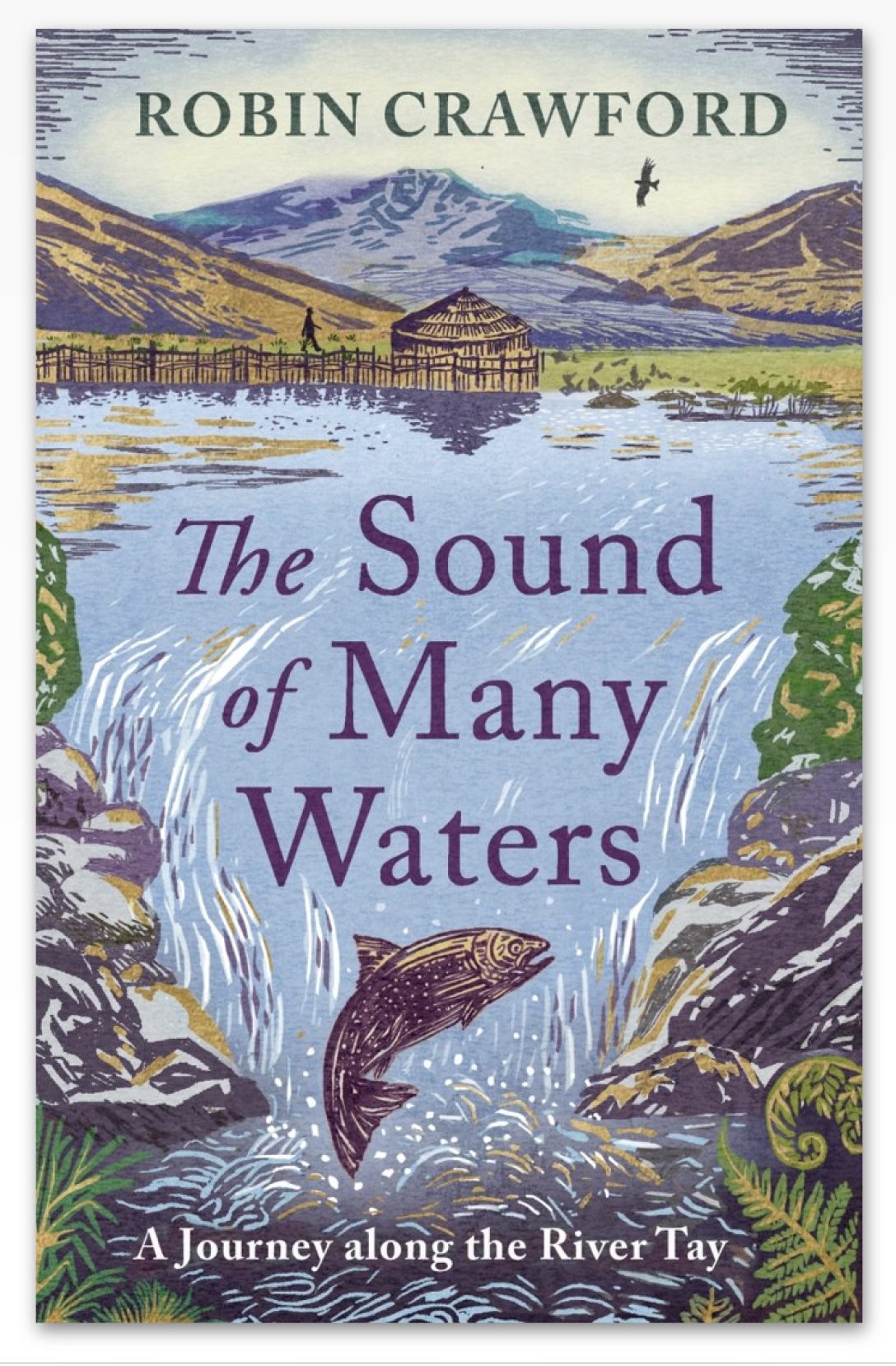
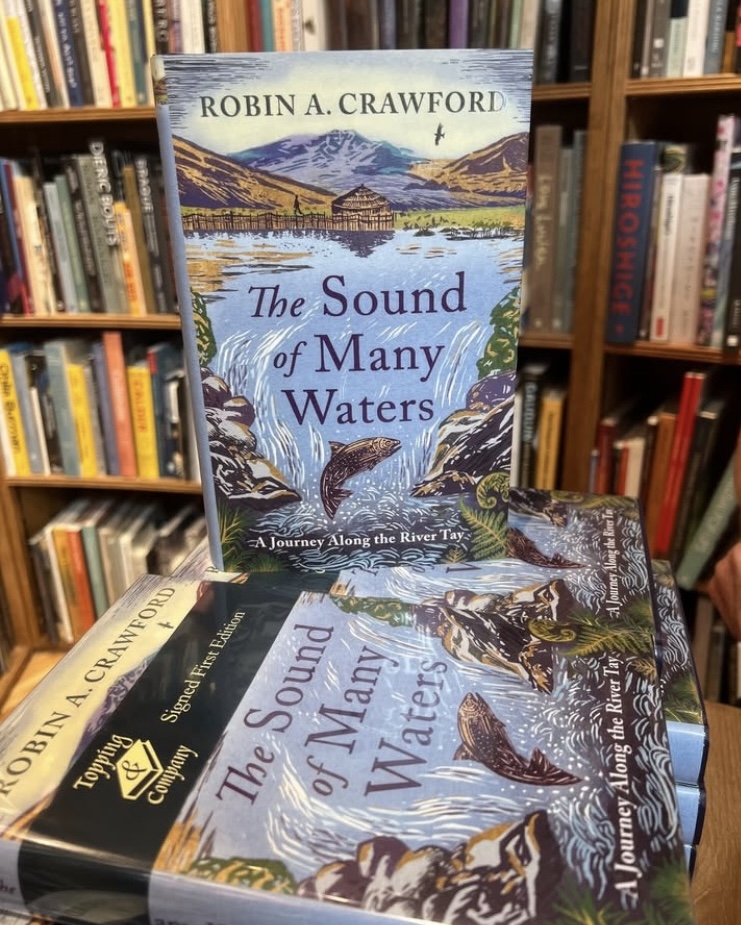
And now, strolling into this fascinating cartographical territory comes Scottish writer Robin A Crawford with his new book The Sound of Many Waters. Subtitled “A Journey Along the River Tay”, it operates in much the same way as The Frayed Atlantic Edge: just as Gange used a journey by kayak to put the western coastline of the British Isles at the centre of the story of our shared archipelago, so Crawford’s journey, mostly on foot, puts the Tay at the heart of Scotland’s.
To be clear, unlike Gange, Crawford isn’t demanding that we should all somehow redraw our mental maps of Scotland in such a way that the Tay becomes central to everything. What he does do, however, as he yomps from the source of the river at Ben Lui to the sea beyond Dundee, is show us how, time and time again, this mighty waterway – the longest river in Scotland – has played a key role in various phases of Scottish history.
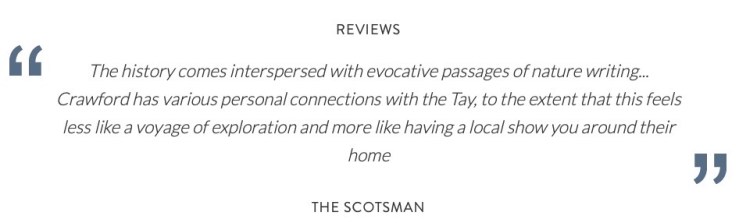
So, for example, a polished stone axe head, originally from Italy, found ceremonially buried in the banks of the river Ericht, a tributary of the Tay, prompts an exploration of what life must have been like for the area’s Neolithic inhabitants, already plugged into an expansive international trading network in which rivers and seas served as the principal arteries. Similarly, a visit to the Roman remains on the Gask Ridge prompts the reflection that a key part of the Romans’ plan to subdue the tribes of Caledonia involved “blocking off access to the rich pasturage and farmlands of the Lowlands. As the Tay collects the waters of the Southern Highlands along its length, the Romans constructed forts at the junctions of its tributaries.” As in Gange’s book, the history comes interspersed with evocative passages of nature writing, but unlike Gange, who is visiting many places on his journey for the first time, Crawford has various personal connections with the Tay, to the extent that this feels less like a voyage of exploration and more like having a local show you around their home river.
And in terms of reconfiguring how readers conceptualise the geography of Scotland, way of simplifying the complex layout of the Tay and its various tributaries, he writes:
“hold up your left hand, palm facing away, and spread your fingers: if the Tay is the index finger, then imagine your thumb is the Isla flowing in from the east, your middle finger the rivers Gary and Tummel from the north, and from the west the ring finger represents the Braan and the Almond, your pinkie the Earn.” Sure, it’s a bit of an oversimplification, but to summarize much of the tangled knot of rivers and glens at the heart of Scotland in such an instantly-accessible way…. well, now thanks to Crawford we can all claim to know Scotland’s rivers like the back of our hands.
Roger Cox
Scottish Field, September 2025
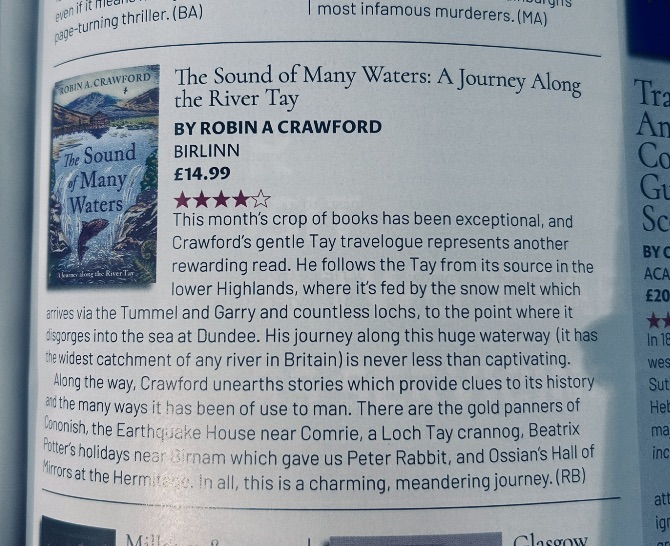
The Sound of Many Waters: A Journey Along the River Tay
BY ROBIN A CRAWFORD
BIRLINN
£14.99
★★★★
This month’s crop of books has been exceptional, and Crawford’s gentle Tay travelogue represents another rewarding read. He follows the Tay from its source in the lower Highlands, where it’s fed by the snow melt which arrives via the Tummel and Garry and countless lochs, to the point where it disgorges into the sea at Dundee. His journey along this huge waterway (it has the widest catchment of any river in Britain) is never less than captivating.
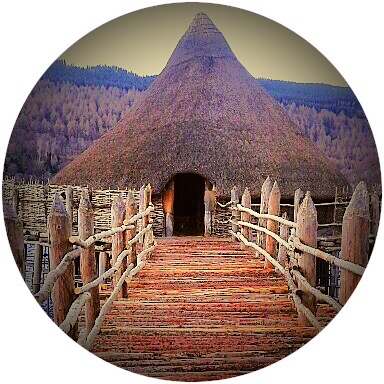
Along the way, Crawford unearths stories which provide clues to its history and the many ways it has been of use to man. There are the gold panners of Connish, the Earthquake House near Comrie, a Loch Tay crannog, Beatrix Fotter holidays near Birnam which gave us Peter Rabbit, and Ossian’s Hall of Mirrors at the Hermitage. In all, this is a charming, meandering journey. (RB)
A river book has many sources. It begins in clouds blown in from far out on the ocean, deposited on mountain top as snow, in sheets of rain on bleak moors, rises up from deep underground caverns. Twists of circumstance, of fate direct its journey. Such vagaries shape its words reflecting the creatures, the plants, the people who live and die in it, on it, by it.
From winter mountain burn to loch to Highland torrent, meandering through the Lowlands to summertime on Broughty Ferry beach; the Tay is a river of shieling, croft, burgh, city and suburbs, its glacial history cutting a path from Ice Age to Stone Age, flowing into the modern age.
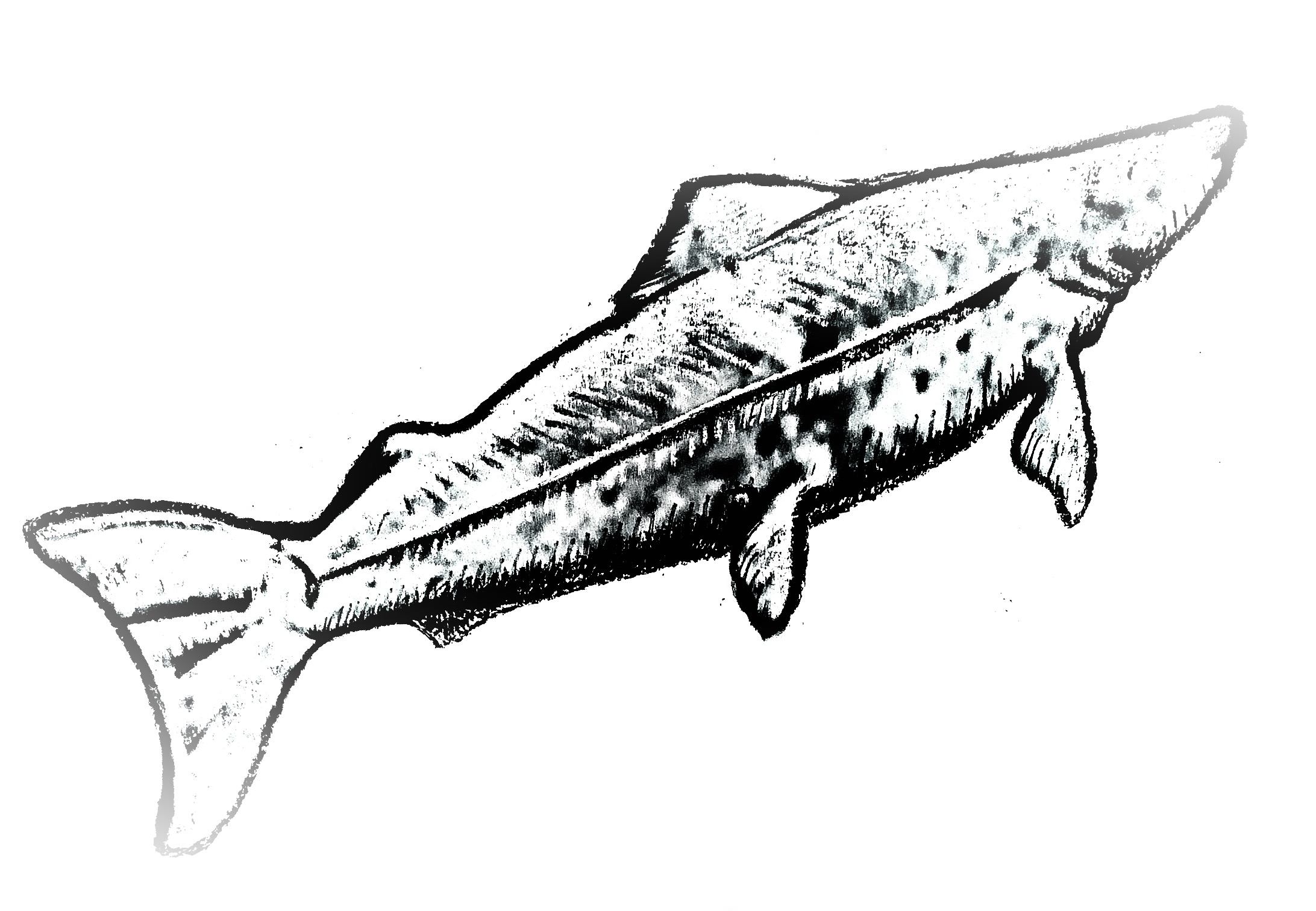
“The river is engineered by clouds, geology, glaciers, Stevensons, salmon: these words channelled by publisher, churned through the editorial mill wheel, filtered by the publishing team until- purchased in a leap of faith (hopefully in a bookshop)- dipped into by you, the reader.”
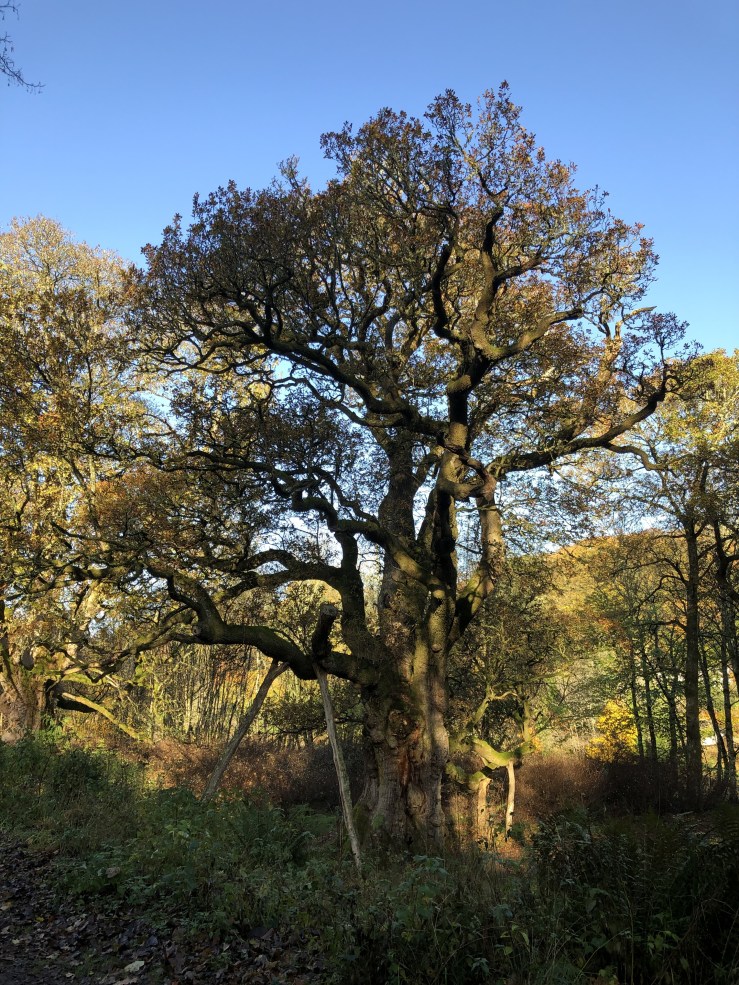
MacBeth was king of Scotland from 1040-1057. This ancient tree on the banks of the Tay at Birnam is associated with him. If not planted when the real MacBeth was king, it certainly was growing here when a travelling troupe of English players- perhaps including Shakespeare himself- visited Perthshire in 1599.
Places we now associate with Shakespeare’s play- Birnam Wood, Glamis and Dunsinane- all lie within the Tay’s catchment.
Another tragedy is taking place before our eyes. In the photograph above you can see that the branches of the tree are having to be supported. Human intervention along the river is causing the land around the tree to flood, undermining it. Without drastic action this mighty oak, like a slain king, will fall.
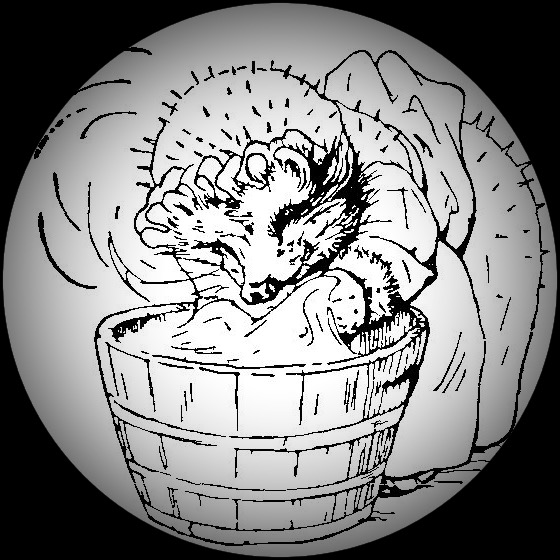
Wash. Rinse. Repeat. Beatrix Potter based ‘Mrs Tiggy-winkle’ on Kitty MacDonald, a washerwoman from Inver on the Tay. One of the many sounds along the river has been that of generations of poor women’s feet trampling in washtubs, their red raw hands beating laundry against river rocks, their fingers rasping on ribbed washboards.
Victorian holidaymakers to the Tay like Beatrix Potter would pass their stained clothing to local laundresses to be washed in its pure waters in basement rooms, outhouses or in tubs by the river. Potter dressed Kitty in 19th C. clothes but chose to depict her as a hedgehog, a small, timid creature but with prickly defences – an eater of slugs, different from them. “The Scotch,” she wrote were “tolerable savages.” Kitty was not just small, she was stunted from an orphaned childhood of malnutrition and a life of poverty.
150 years later Potter’s books are as popular as ever, what does that tell us about the attitudes to those who service the needs of tourists along the river today? Wash. Rinse. Repeat.
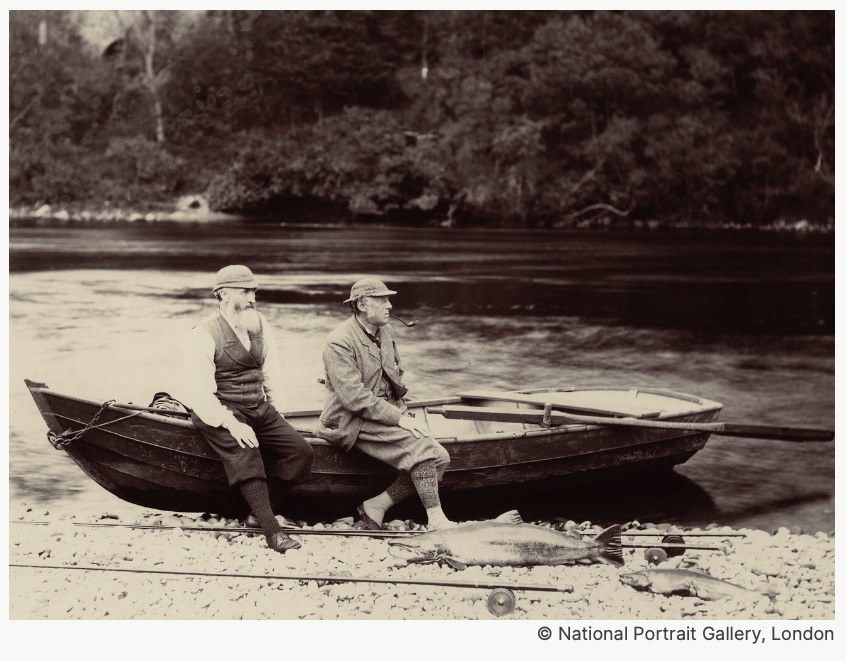
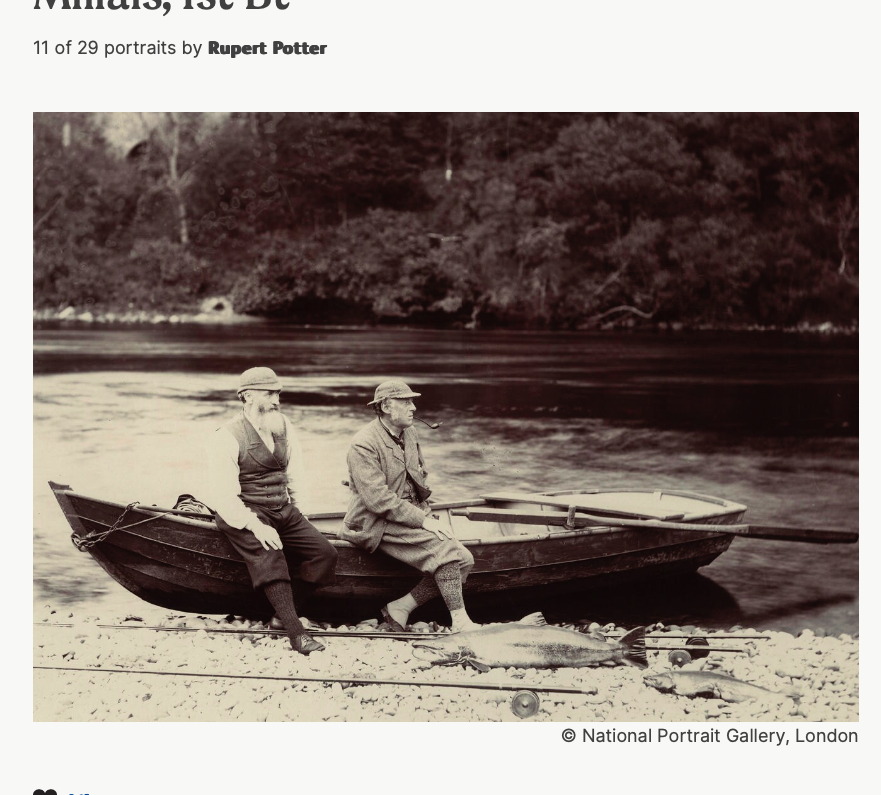
Millais was drawn to the river Tay not only to paint but, like so many others, came to fish. Here the artist becomes model, the epitome of the Victorian sporting gentleman. The artist is posed on a Tay coble rowing boat, a favourite of anglers on the river for centuries. Beside him is the ghillie who helped him land the salmon and trout displayed for us to admire on the river bank.
The photograph was taken by his friend Rupert Potter in 1881 on the river near Dalguise. Potter and his family, including his daughter Beatrix, spent many summers holidaying on the Tay around Dunkeld. Beatrix was a keen artist and photographer too. Sometimes Millais would ask Beatrix to photograph the scene he was painting as an aide memoire for him when he worked it up later in his studio.
I’m delighted to be working again with the great publishing team at Birlinn on a new book on the River Tay. It’s a journey- historical, natural, cultural- along Scotland’s longest river from the source high on Ben Lui in the Highlands to the Firth at Dundee.
For a taster you can listen to this edition of ‘Open Country‘ on BBC Radio 4. I had great fun recording with Dougie Vipond and edited by Ruth Sanderson.
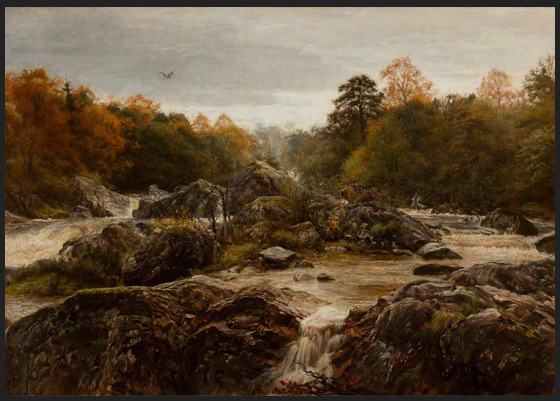
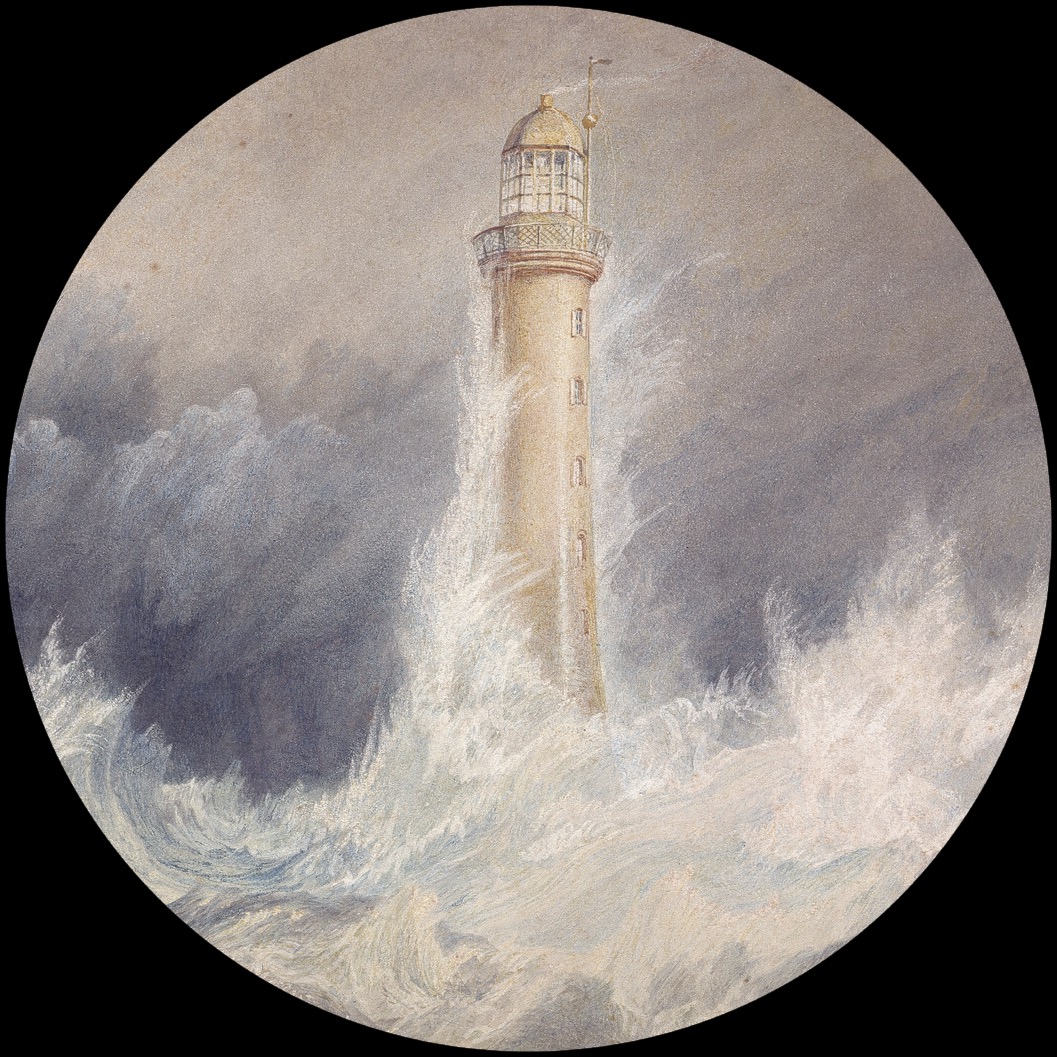
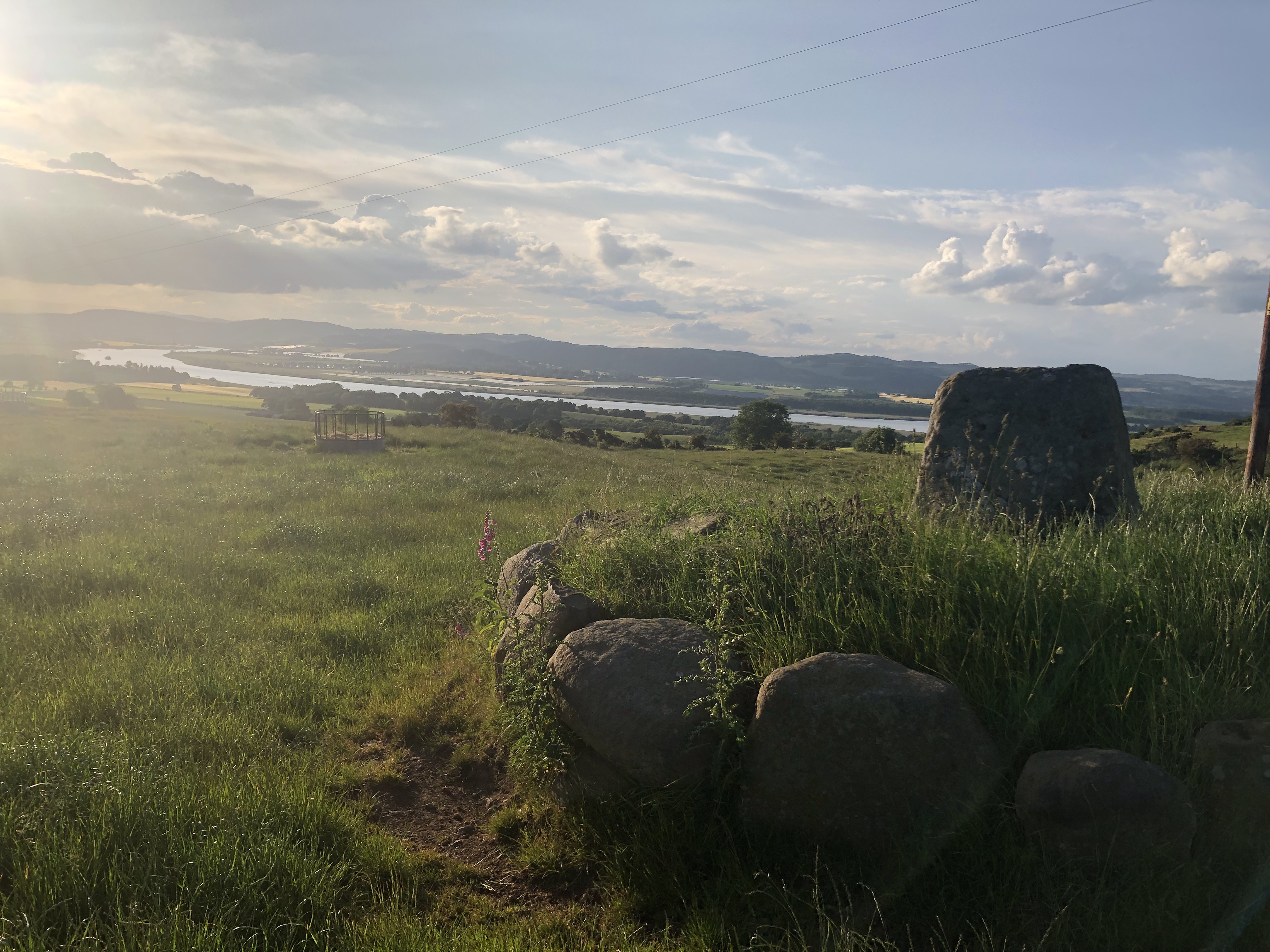
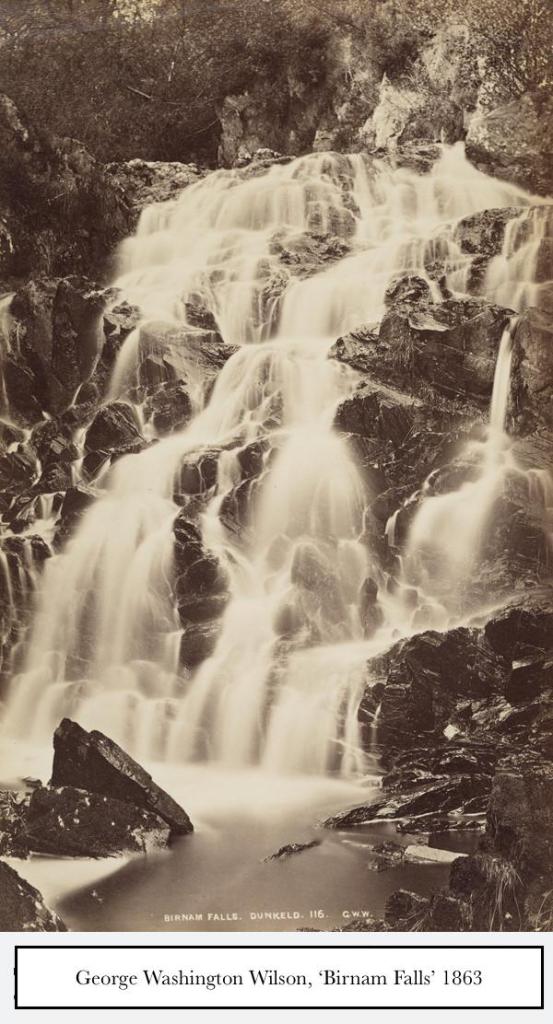
Macduff’s Cross and the Tay, midsummerMacBeth’s oak, Birnam17th C. painted ceiling, Grandtully‘Castle Huntly’/Nasmyth above ‘George Paterson of Castle Huntly’/Raeburn in MacManus Galleries, Dundee‘Bell Rock Lighthouse’/Turner‘Birnam Falls’/George Washington Wilson‘Mrs Tiggywinkle’/Potter‘Scotch Washing’ Cruikshank‘Flowing To The Sea’/Millais






 Robin A Crawford