Author: robinacrawford
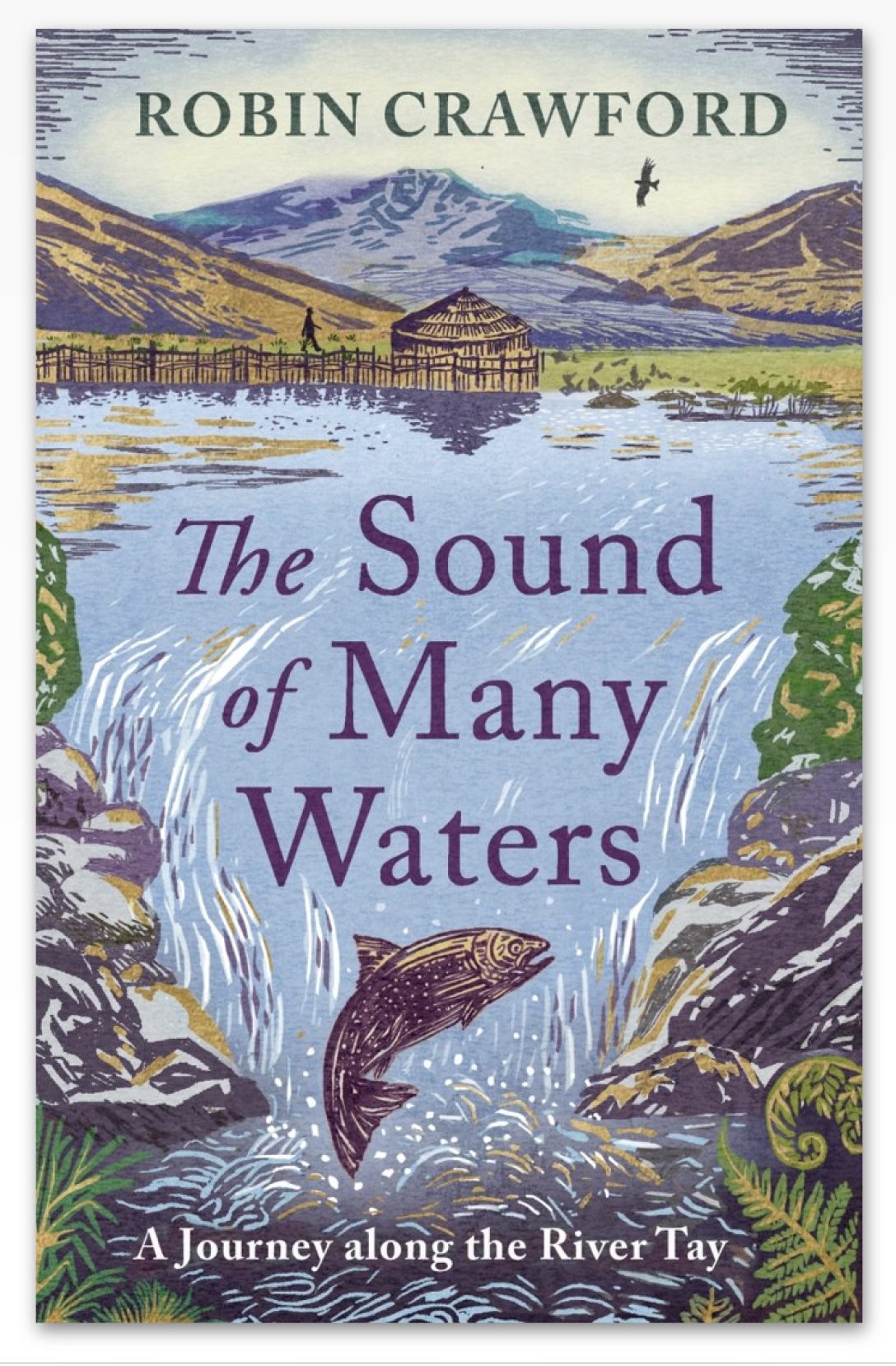
Robin Crawford is an author and illustrator, with a particular interest in the culture and natural heritage of Scotland. His first book, ‘Into the Peatlands: A Journey Through the Moorland Year’, was published in 2018 and longlisted for the Highland Book Prize. ‘Cauld Blasts and Clishmaclavers’ (2020) is a treasury of Scottish Words. His third book ‘The Sound of Many Waters, A Jjourney along the River Tay’ is published in June 2023 by Birlinn. He lives in Auchtermuchty, in Fife.
European trade deals
In this display case in the National Museum in Edinburgh are Bronze and Iron Age objects traded between Scotland and Europe. On the the middle shelf are axeheads, chisels, a hammer and some razor-like blades with whet stones for sharpening them. They belonged to a woodworker, possibly a boat builder. There are also beads of gold, glass and Baltic amber dating to the 7th century BC. Discovered by Donald Murray in May 1910 when cutting his peat at Adabrock at the north tip of the Island of Lewis.
Domestic bliss
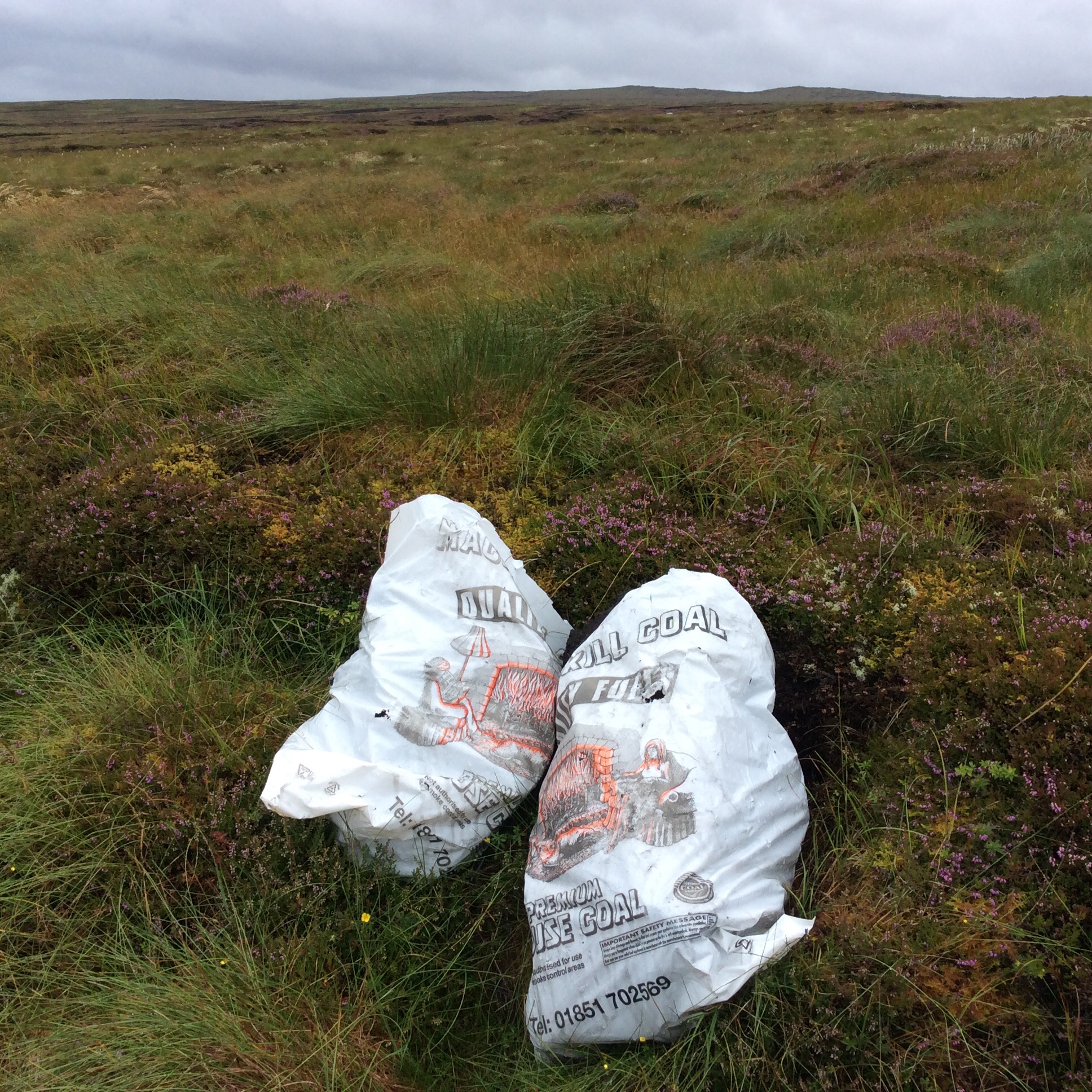 Domestic bliss on the #peatlands
#BrexitDay #indyref2
On Flanders Moss a drowning or a resurrection? #BrexitDay #indyref2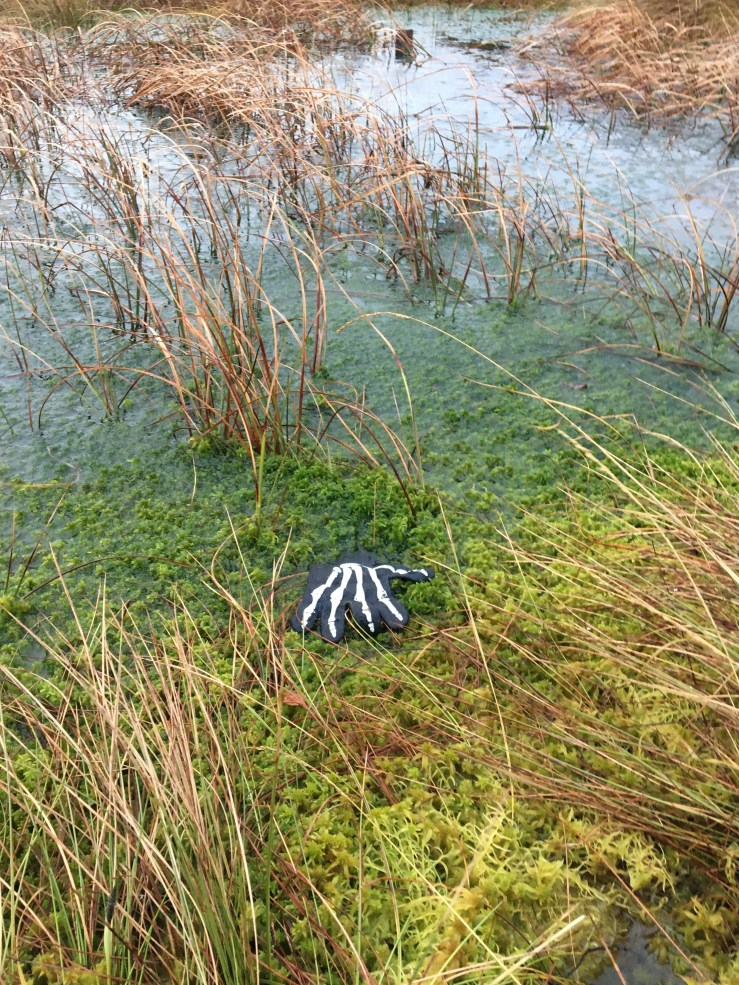
Runrig
Homage to Joseph Beuys ‘Runrig’


Teacher and pupil
I particularly liked the rhythmical way Mary read out the names of the different parts of the peat bank, it sounded like poetry. Sitting side by side at the big desk she pointed to each word as she read (you can see her finger at the bottom of the photo). Mary spent all her working life as a primary school teacher. Even though I am 52 I loved the way that she explained to me her community’s peat cutting words and language as though I was one of her wee pupils (which I was).
Transitional place
Winter turns to spring. Day to night. On the liminal surface of the bog the deep blue of the unfathomable galaxy is reflected in the thin veneer of the water. Sphagnums and moor grasses disappear into the deep black mystery of the earth. Worlds above, worlds below. What is real, what reflection? We flickering across the twilight.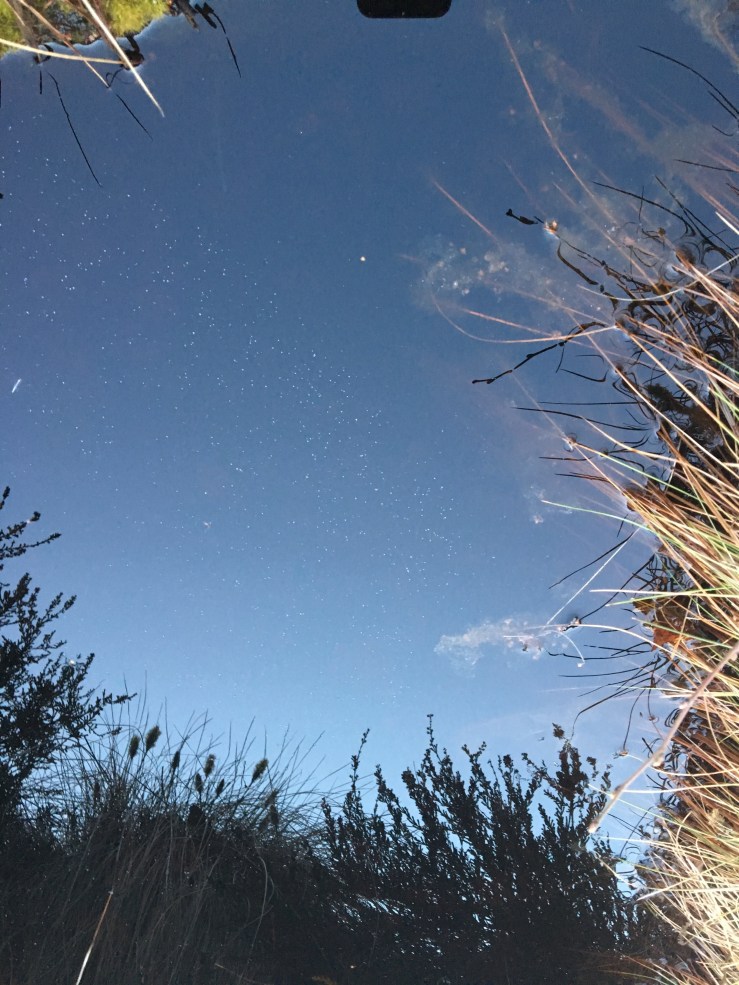
The geese have flown…
The geese have flown home from the peatlands now that winter in Iceland is past, leaving nothing but footprints and us to talk about them.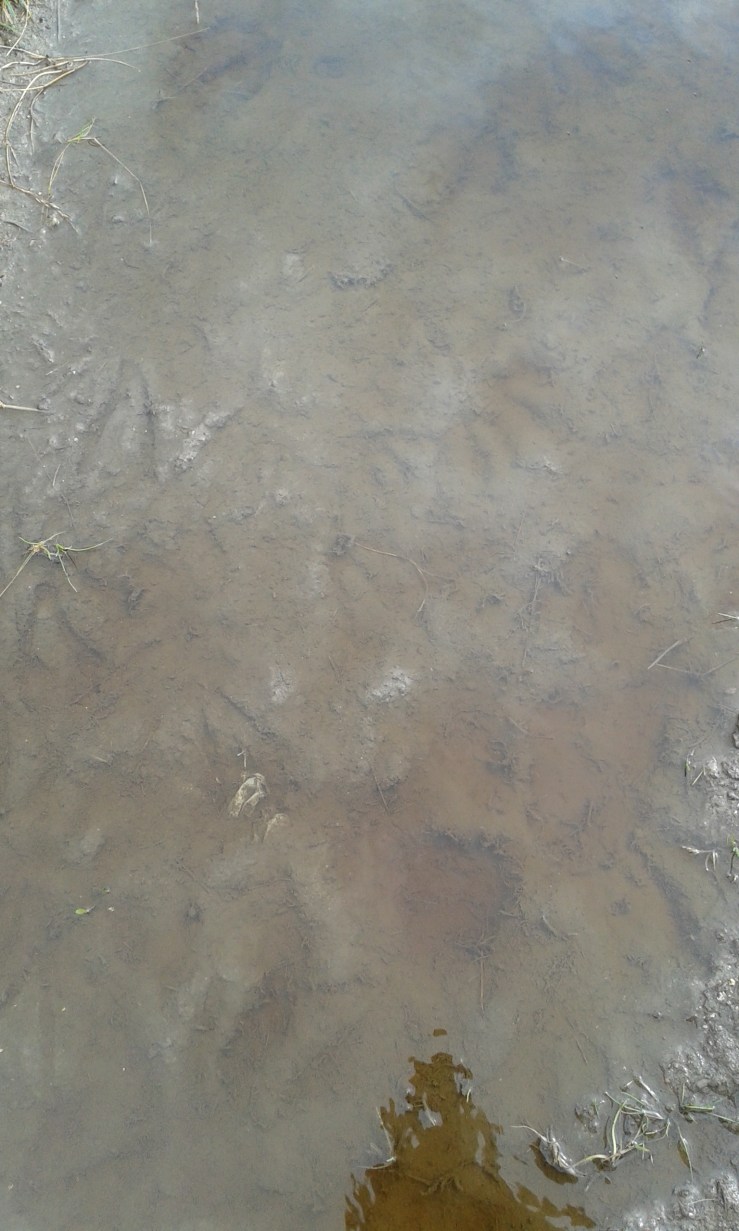
Peat stack longevity
On the peatlands cutting traditions and knowledge are handed down generation to generation resulting in just enough peat being cut to last the year. Experience tells that after this amount of time it will become either too dry or too wet to release enough energy be useful. A partially used, decaying stack is a sad cairn marking a leaving, an illness or a death.


Food bank/peat stack
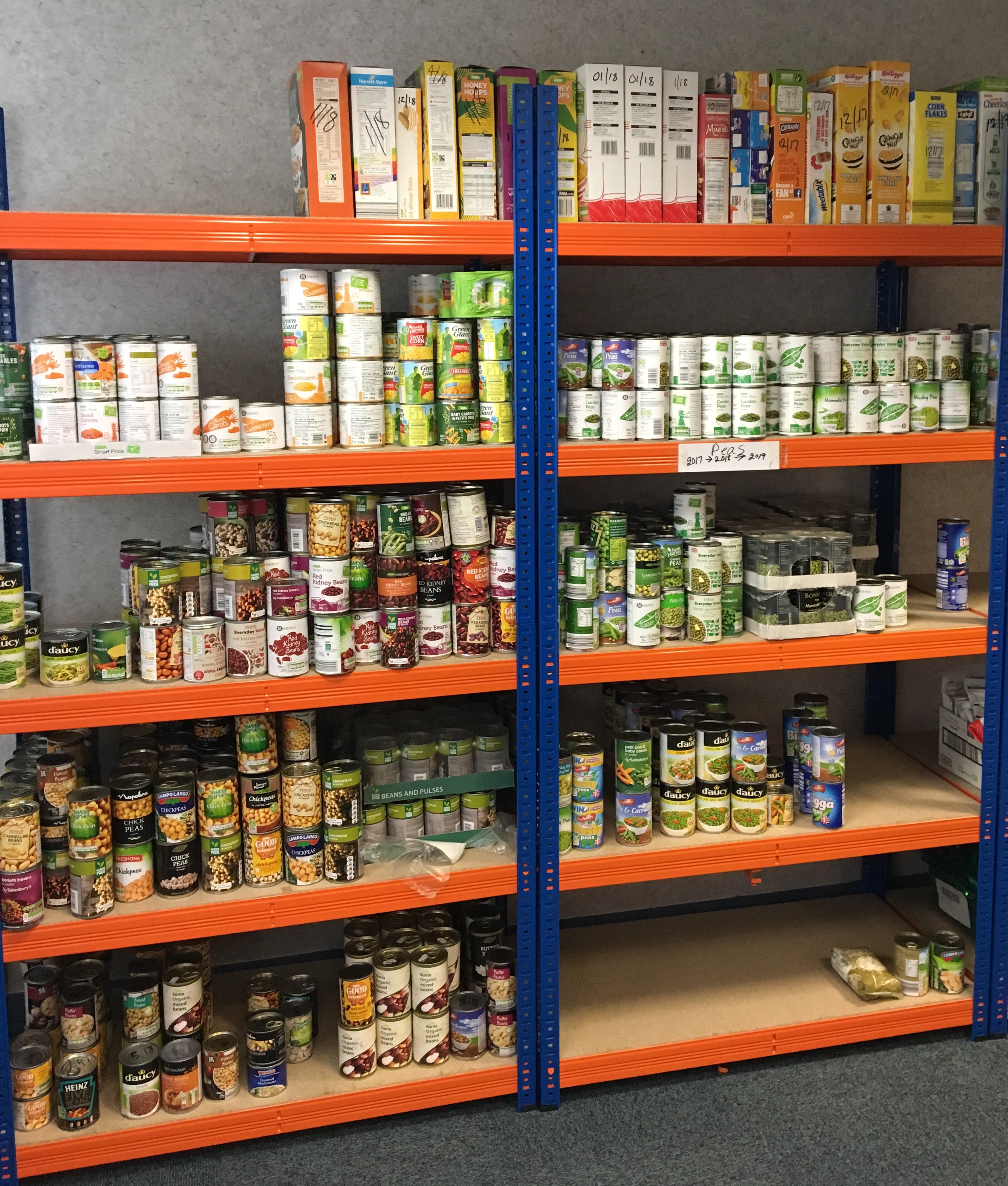
Food poverty and fuel poverty are inextricably linked. The people at this food bank told us that without gas or electricity cans of soup are useless; tins of tuna and tins of potatoes can be made into nourishing, if cold, fishcakes. In the peatlands at least people, if able to cut their traditional banks, can warm themselves and cook a hot meal.